
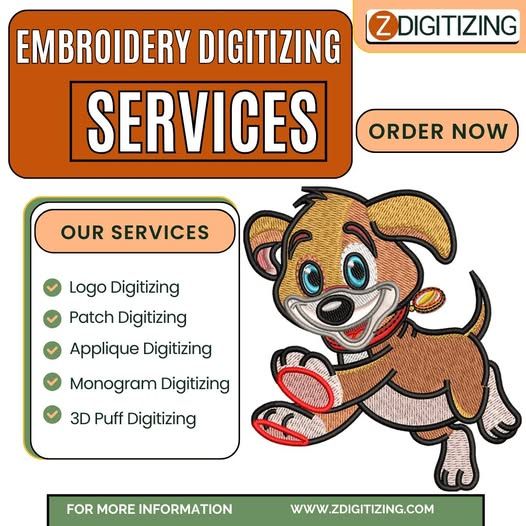
Custom embroidery digitizing is a critical step in converting artwork into reliable, high-quality embroidered designs. Whether used for branding, personalization, or promotional products, embroidery requires precise stitch planning to ensure durability and visual accuracy. Custom digitizing focuses on creating embroidery files that are specifically adjusted for the design, fabric, and end use, rather than relying on automated or generic settings.
Unlike standard digitizing methods, custom embroidery digitizing considers every design element individually. This approach ensures proper stitch behavior, improved fabric stability, and consistent results during production. When executed correctly, custom digitizing allows embroidery machines to reproduce artwork accurately while maintaining structural integrity and stitch quality.
What Is Custom Embroidery Digitizing?
Custom embroidery digitizing is the process of converting artwork into a machine-readable embroidery file that is created for a specific project. The digitized file contains detailed instructions such as stitch types, stitch direction, density, underlay placement, and color sequencing. These elements are adjusted based on the complexity of the design and the characteristics of the fabric.
This process involves more than converting an image format. Each part of the artwork is evaluated and manually recreated to ensure clean stitching, minimal thread breaks, and long-term durability. Custom digitizing ensures the embroidered result remains clear, consistent, and functional under real production conditions.
Why Custom Digitizing Matters in Embroidery
Every embroidery project presents different challenges. Fabric thickness, stretch, texture, garment construction, and design size all affect how stitches behave during embroidery. Custom embroidery digitizing addresses these variables by tailoring stitch settings to the specific application.
Custom digitizing supports accurate stitch placement, balanced stitch density to reduce fabric stress, improved clarity across different materials, fewer machine interruptions, and consistent results across repeated production runs. By aligning the digitized file with the project requirements, embroidery reliability and visual quality improve significantly.
The Custom Embroidery Digitizing Process
The custom digitizing process begins with a detailed review of the original artwork to identify fine details, color transitions, and potential stitching concerns. Based on this analysis, suitable stitch types are selected, such as satin stitches for lettering and outlines or fill stitches for larger areas.
Stitch direction is carefully planned to improve definition and reduce distortion. Underlay stitches are added to stabilize the fabric and support top stitching, while stitch density and pull compensation are adjusted according to fabric behavior. Once the file is created, it is tested and refined to ensure accurate stitching and smooth machine operation before production begins.
Benefits of Custom Embroidery Digitizing
Custom embroidery digitizing offers practical advantages for businesses, designers, and embroidery professionals who require dependable results. It improves design accuracy, supports better performance on various fabric types, reduces thread breaks and production errors, and increases the durability of embroidered designs.
Custom digitizing also ensures a consistent and professional appearance across all embroidered items, making it a valuable investment for quality-focused embroidery projects.
Common Applications of Custom Embroidery Digitizing
Custom embroidery digitizing is used across many applications where precise design reproduction is important. Common uses include business logos on uniforms, personalized apparel, promotional merchandise, team wear, and decorative embroidery. Each application benefits from stitch planning that matches the intended use and fabric characteristics.
What Defines a High-Quality Custom Digitizing Service?
A high-quality custom embroidery digitizing service is defined by technical precision and practical embroidery experience. Skilled digitizers understand how stitches interact with different materials and adjust designs accordingly.
Reliable services focus on proper stitch density, smooth stitch transitions, accurate color sequencing, and thorough testing. Compatibility with various embroidery machines and formats is also a key factor. Attention to detail throughout the digitizing process helps reduce production issues and ensures consistent results.
How Custom Digitizing Improves Production Efficiency
Well-prepared custom digitized files reduce the need for adjustments during embroidery. When stitch files are created correctly, machines operate more smoothly with fewer interruptions.
This leads to faster setup times, reduced rework, consistent stitch quality, and lower operational costs. Custom digitizing is especially beneficial for businesses managing repeat orders or large embroidery volumes.
Final Thoughts
Custom embroidery digitizing is essential for producing reliable and professional embroidery results. By tailoring stitch files to the design, fabric, and intended application, custom digitizing ensures accuracy, durability, and production efficiency. It connects creative artwork with dependable machine embroidery performance.
Whether used for branding, personalization, or promotional projects, custom embroidery digitizing supports consistent quality and long-term reliability. Investing in professional custom digitizing services is a practical decision for maintaining high embroidery standards across all projects.