
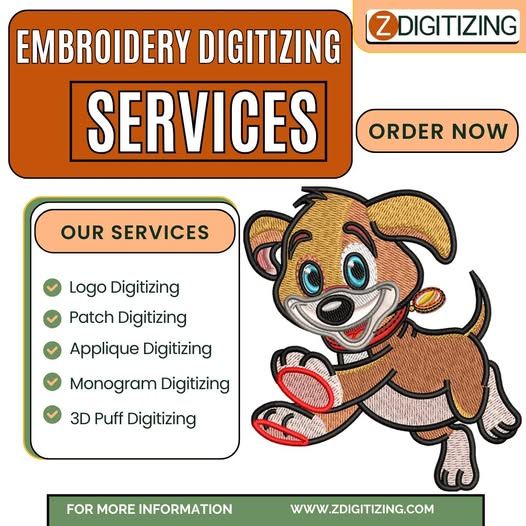
Embroidery digitizing services play a vital role in modern machine embroidery by converting artwork into precise stitch files that embroidery machines can interpret accurately. From business logos and promotional apparel to custom designs and personalized products, digitizing connects creative visuals with technical execution. A professionally digitized file ensures clean stitching, consistent results, and efficient production, making it an essential step for anyone working with embroidery.
What Is Embroidery Digitizing?
Embroidery digitizing is the process of translating images, logos, or text into a digital embroidery file using specialized software. This file defines stitch types, stitch direction, density, underlay, and sequencing so the embroidery machine can reproduce the design accurately on fabric.
Unlike basic image conversion, digitizing requires hands-on expertise and a strong understanding of how thread interacts with different fabrics. Experienced digitizers manually plan each design to prevent issues such as thread breaks, puckering, misalignment, or uneven coverage. This technical knowledge is what separates professional digitizing from automated solutions.
Why Professional Digitizing Matters
The quality of digitizing has a direct impact on the final embroidered product. Poor digitizing can result in distorted designs, wasted materials, and machine downtime. Professional embroidery digitizing services focus on precision, consistency, and performance across production runs.
High-quality digitizing provides benefits such as improved stitch clarity, fabric-specific adjustments, reduced machine interruptions, and smoother production workflows. It also ensures that designs maintain their integrity when resized or stitched on different garments, which is essential for businesses handling repeat orders or bulk production.
Understanding the Digitizing Process
A structured digitizing process helps ensure reliable results and reduces the need for revisions. It typically begins with artwork review, where the digitizer evaluates image quality, colors, and complexity. This is followed by design planning, which includes selecting stitch types, determining stitch direction, and applying proper underlay for stability.
The digitizing stage involves manually creating the stitch file using professional software. Once complete, the design is tested through a sample stitch-out to confirm accuracy and stitch quality. After refinement, the final file is delivered in the required embroidery machine format. Each step contributes to a durable and visually consistent embroidered result.
Types of Embroidery Digitizing Services
Embroidery digitizing services often support a range of applications based on garment type and design requirements. Logo digitizing is commonly used for branding on uniforms, workwear, and promotional apparel. 3D puff digitizing creates raised embroidery using foam for bold lettering or logos. Appliqué digitizing combines fabric pieces with stitching to reduce stitch count and add texture.
Other services include monogram digitizing for decorative lettering and cap or hat digitizing, which requires special adjustments due to curved surfaces and limited embroidery space. Selecting the right type of digitizing depends on the fabric, placement, and intended use of the design.
What Defines a High-Quality Digitized Design?
A well-digitized embroidery design balances visual appeal with technical efficiency. It must stitch cleanly on fabric, not just appear accurate on a screen. Key factors include appropriate stitch density to avoid stiffness or fabric damage, well-planned stitch direction for smooth coverage, and effective underlay to stabilize the fabric.
Clean trims, secure tie-offs, and efficient color sequencing also contribute to durability and production efficiency. Attention to these details ensures the design performs well during stitching and maintains its appearance over time.
Common Challenges and Professional Solutions
Embroidery digitizing involves challenges that require experience to manage effectively. Small text must be simplified and carefully digitized to remain readable. Complex color gradients require thoughtful layering techniques to simulate depth. Stretch fabrics need specialized underlay and compensation to prevent distortion, while high-speed production demands optimized sequencing to maintain consistency.
Professional digitizers anticipate these challenges and adjust designs accordingly, reducing errors and improving overall stitch quality.
Choosing the Right Embroidery Digitizing Service
Selecting a reliable digitizing service is essential for consistent results. Look for providers that offer manual digitizing, clear communication, multiple file format support, reasonable turnaround times, and revision assistance. Reviewing sample work and understanding their workflow can help ensure the service aligns with your embroidery needs.
The Long-Term Value of Quality Digitizing
Investing in professional embroidery digitizing delivers long-term benefits. Accurate stitch files reduce material waste, minimize machine downtime, and improve customer satisfaction. Consistent embroidery quality strengthens brand credibility and supports efficient production, especially for repeat or large-volume orders.
Final Thoughts
Embroidery digitizing services are a fundamental part of successful machine embroidery. By converting artwork into precise stitch files, they ensure accuracy, durability, and reliable performance on fabric. Whether producing branded apparel or custom embroidery, working with an experienced digitizing service supports better results and smoother production. Quality digitizing is not just a technical requirement it is a practical investment in professional embroidery outcomes.